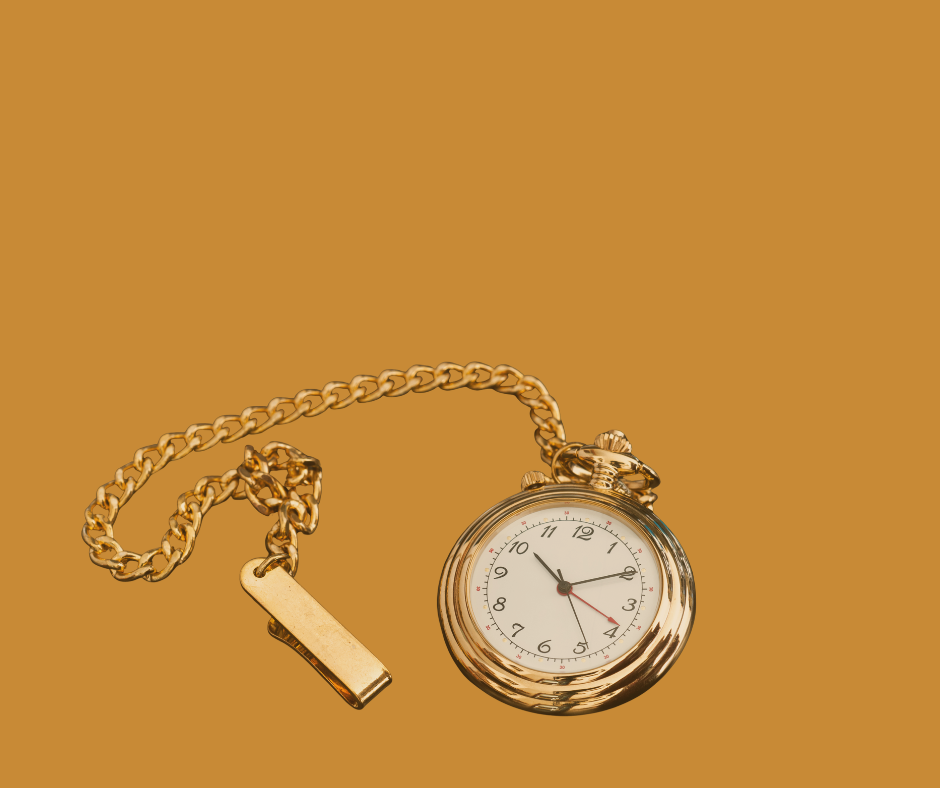
Gold Watch by John McGahern, 1980
The magic trick:
A narrator who isn’t self-aware enough to reliably tell his own story
Two McGahern classics for you this week. Can’t really beat that.
Up first: “Gold Watch,” which tells the story of our narrator’s marriage against the backdrop of his evil, hateful, and hurtful father. It’s easy to fall into sympathy with our narrator and see the story pretty clearly as an innocent versus cruelty conflict.
And in many ways – nigh most ways – it is surely just that.
But there are nuances here.
The narrator does at least three things in this story worth exploring with some analysis. I will name them now. One, he continues to go home to help with the hay-bailing on the family farm long after he’s appreciated or even needed. Two, he feels compelled to tell his then-girlfriend the mean thing his father said about her, even as her knowledge of the father’s comment serves no practical purpose whatsoever. And three, he buys his father a new watch when any fool in the world could see that it is not something the father would ever in a million years want to own.
Yet, these three key actions are not reported by the narrator to the reader with an honest sense of intent or rationale. Our narrator then would seem to either be oblivious or lying to himself.
We have an unreliable narrator on our hands. But the unreliability is in the most interesting way. His unreliability doesn’t force the reader to question the facts of the story. Instead, it points us toward the story’s true theme: the father’s fundamental selfish meanness has been passed on to the son. The narrator is mean. He does mean things.
It might not seem like it to the reader on first glance. It certainly does not appear that the narrator himself thinks he is mean.
But he is.
He has mean, nasty instincts underneath it all.
And that’s quite a trick on McGahern’s part.
The selection:
“Wait—wait until you see my place,” I said. “At least, your crowd made an effort. And your father is a nice man”.
“And yet you keep going back to the old place?”
“That’s true. I’m afraid it’s just something in my own nature that I have to face. It’s just easier for me to go back than to cut. That way, I don’t feel any guilt. I don’t feel anything”.
I knew myself too well. There was more caution than any love or charity in my habitual going home. It was unattractive and it had been learned in the bitter school of my ungiving father. I would fall into no guilt, and I was already fast outwearing him. For a time, it seemed, I could outstare the one eye of nature. I had even waited for love, if love this was; for it was happiness such as I had never known.
As always, join the conversation in the comments section below, on SSMT Facebook or on Twitter @ShortStoryMT.
Subscribe to the Short Story Magic Tricks Monthly Newsletter to get the latest short story news, contests and fun.
 Short Story Magic Tricks